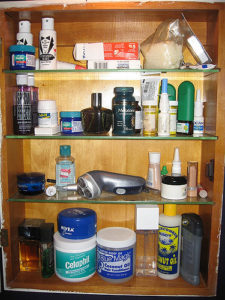
 Too often, adults are the “unwitting suppliers” of prescription medications for their children. The problem lies in how prescription meds kept in medicine chests and purses that are too easy to reach. Kids are naturally curious and ignorant of the consequences of trying something that doesn’t appear to be dangerous.
The National Family Partnership’s (NFP) campaign uses high-quality advertisements, posters and educational materials to make adults aware of how kids can access their meds without their knowledge. Lock Your Meds Day is designated as the time for parents to make a pledge to talk to their children about the dangers of taking medicines not specifically prescribed for them.
It’s crucial to let them know about the harm to their immediate health and how experimentation can lead to addiction. www.lockyourmeds.org is a site where visitors can learn more about how to approach their kids plus get answers to any questions they may have.
 An Association Plan is group plan of individual policies with the intent to take an advantage of the “rule of large numbers” which in simple insurance terms means that the more people you have in a group, the the age and health risk factors of the individuals within the group are averaged out spreading out the risk and ultimately reducing the premiums compared to rating each person individually.
 Every February, the American Dental Association (ADA) sponsors National Children’s Dental Health Month to raise awareness of good dental health in children and how this affects them later in life. Maintaining healthy teeth and gums when people are young does have lasting benefits. For one thing, it leads to fewer and shorter visits (and probably less tears!) to the dentist. It also produces prettier smiles!
 One thing scientists have learned after years of study is that cancer isn’t just one disease. While a lot more research needs to be done, scientists have made great strides. One area of focus is our immune systems. Another is genetics.