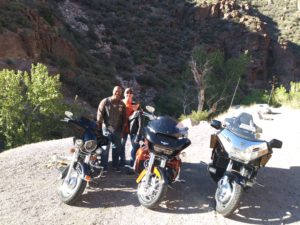
 Maybe you can’t think of any motorcycle owners you personally know right now… but chances are… you know someone who has ridden as a passenger on one. That’s why taking the extra effort to look for motorcyclists is personal to all of us.
Let’s face it, sometimes motorcyclists can be annoying. Some riders weave between cars in heavy traffic. Some seem to come out of nowhere and suddenly cut in front of you. Often they go fast. How you feel about this doesn’t matter. They have the same rights to the road as you do and are at a disadvantage if an accident occurs.
The best way to prevent any altercation on the road is to treat motorcycles as full size cars. Always allow them a whole lane. Since they’re harder to see, take a second, even a third look to be sure you don’t pull into their space.
Remember, even if you aren’t acquainted with any motorcycle owners, you may know the person who’s riding with them.
 Camping is a favorite option for Arizonans since we have several beautiful national and state parks nearby. It’s a great family activity. Camping also gives you the rare opportunity to “disconnect” from our technology world. There are some safety precautions to be aware of while you’re camping. Read more
  It’s VACATION TIME! We hope you are going someplace fun and exciting. We’re all pretty jazzed at InsuranceExperts.team about our trips! While you’re traveling, be safe!
 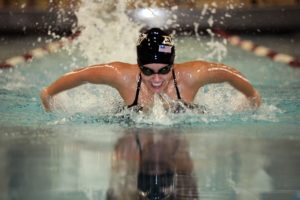 Did you know when it comes to eye safety, basketball is the most dangerous sport in the United States? However, when it comes to kids under 14, baseball is the leading cause of eye injuries. And these aren’t the only sports that can be dangerous. How about martial arts? Forty-five percent of mixed martial arts injuries are to the face and include the eyes.